
Introduction
Ah, water—the elixir of life, not just for us humans but for our feathery friends too. But here’s the rub: how do you ensure that your poultry gets clean, consistent water without turning your farm into a logistical nightmare? Enter cage-free water lines, the future of poultry hydration.
So, why are cage-free water lines the future, you ask? Well, they offer a trifecta of benefits: ethical treatment, healthier birds, and cost-effectiveness. Stick around, and you’ll see why this is a game-changer.
The Evolution of Poultry Watering Systems
Remember the good old days when poultry watering was a bucket and ladle affair? Yeah, me neither. We’ve come a long way from manual methods to semi-automated systems. But the real revolution is cage-free water lines.
What Are Cage-Free Water Lines?
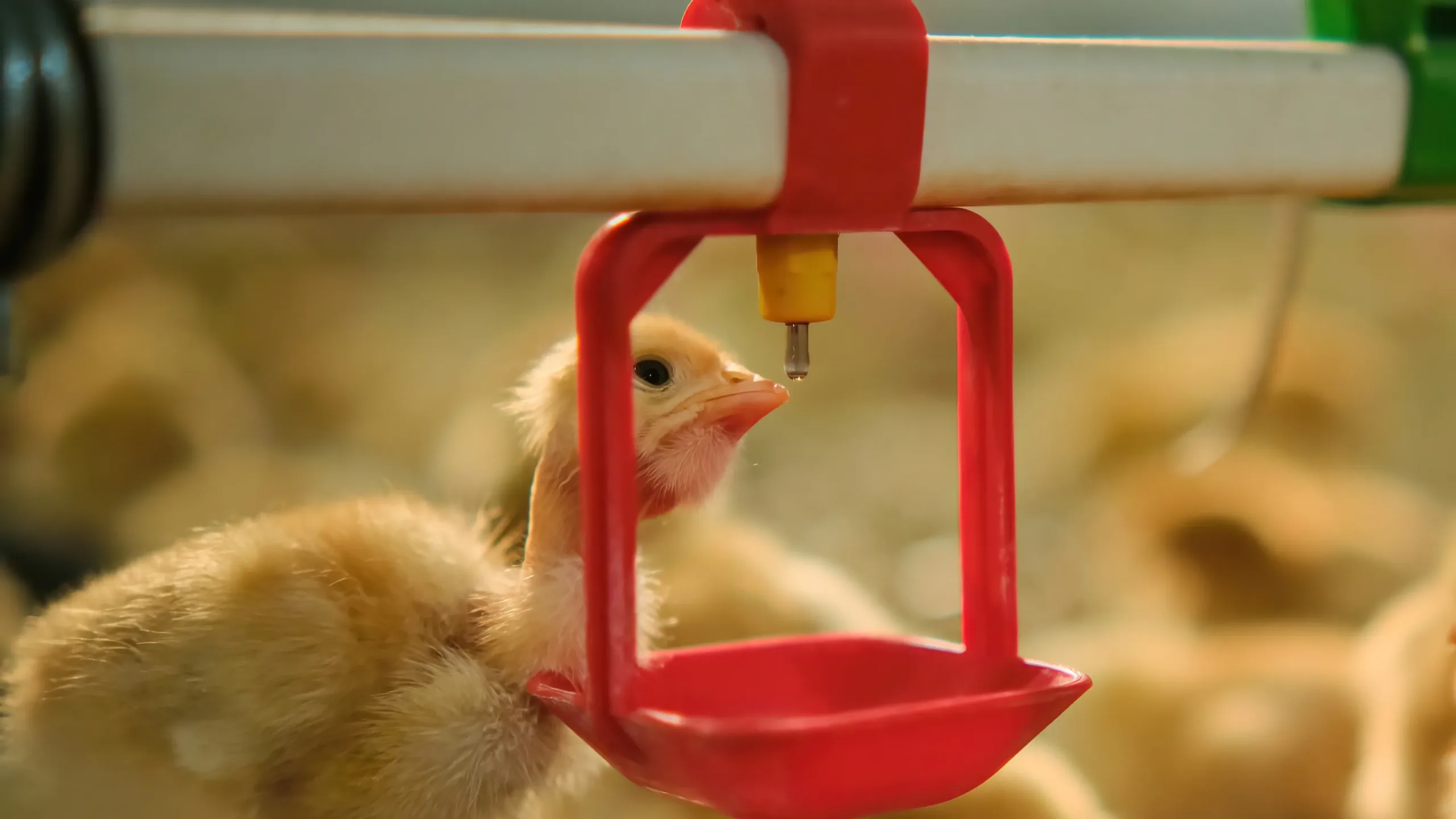
Cage-free water lines are essentially automated watering systems without the cages. They consist of a network of pipes, nipples, and sometimes cups that allow birds to drink freely.
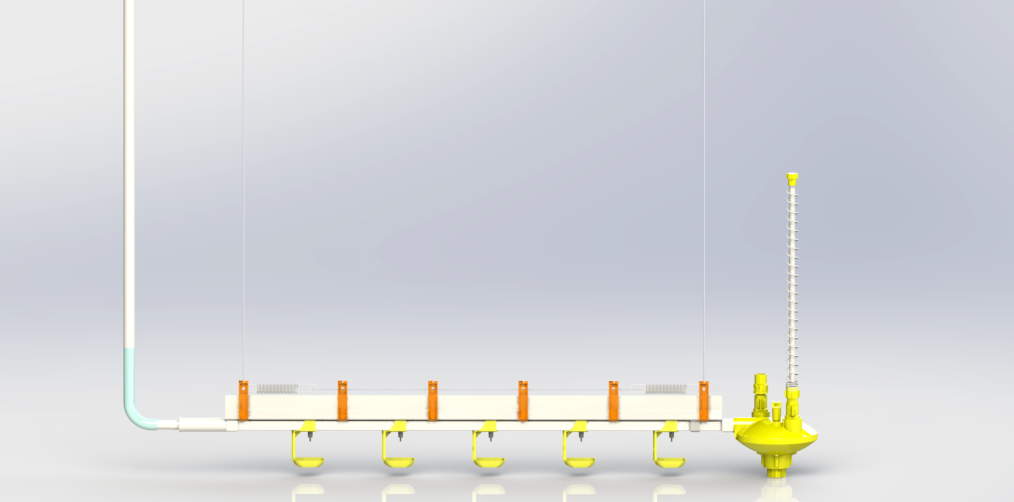
How do they work? Simple. Water flows through the pipes and is accessible to the birds via nipples or cups, ensuring that every bird gets its fair share of H2O.
Why Choose Cage-Free Over Caged Systems?
Now, you might be wondering, “Why go cage-free?” First off, it’s the ethical thing to do. Cage-free systems allow birds to move freely, reducing stress and promoting natural behaviors.

Secondly, healthier birds mean better business. Cage-free systems are associated with lower disease rates and better growth metrics.
The Business Case for Cage-Free Water Lines
Let’s talk numbers. While the initial investment might be higher, the long-term benefits are worth it. Lower labor costs, less water wastage, and healthier birds translate to better ROI.
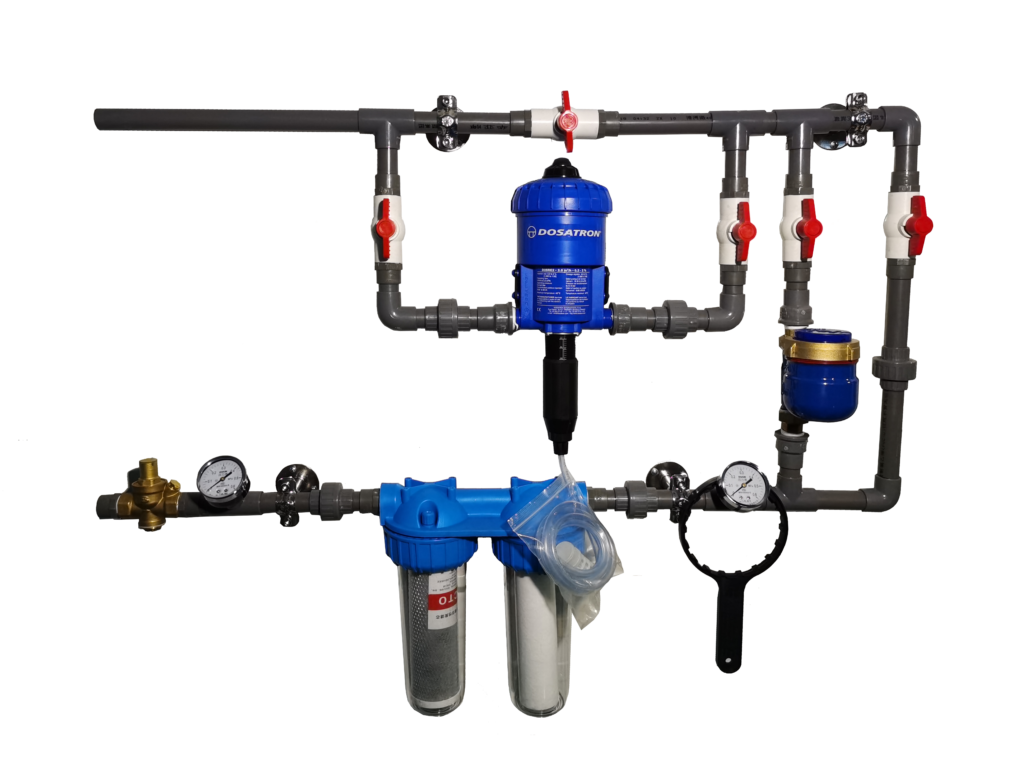
Scalability? You bet. These systems can be easily expanded, making them ideal for farms of all sizes.
Challenges and Solutions
No rose without a thorn, right? The initial investment can be daunting, but various financing options are available.
Maintenance can also be a challenge, but with regular checks and quality parts, it’s manageable.
Case Studies: Real-World Applications
Don’t just take my word for it. Numerous farms have successfully implemented cage-free water lines and have the data to prove their effectiveness.
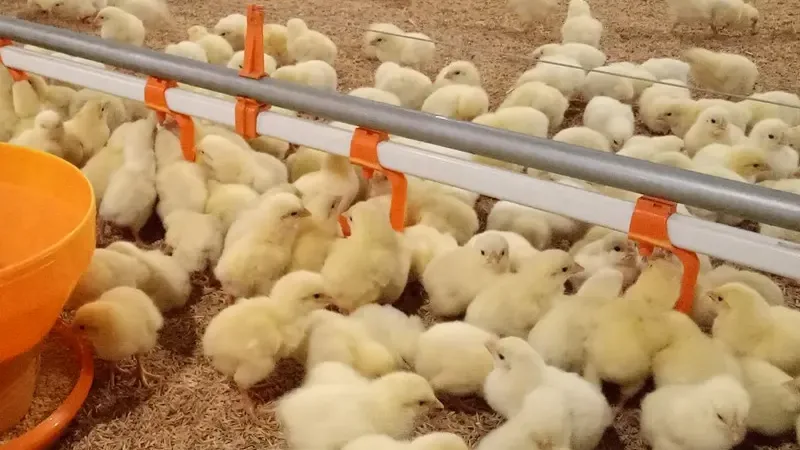
How to Choose the Right Cage-Free Water Line for Your Farm
Look for systems with built-in filters, easy-to-clean components, and real-time monitoring features. Vendor reputation is also crucial.
What to Look for When Choosing Cage-Free Water Line?
Quality, features, and brand reputation should be your guiding stars. Always opt for systems that come with built-in filters and water treatment options.
Common Challenges and How to Overcome Them
We’ve all been there—inefficient communication with suppliers, delayed shipments, and lackluster after-sale support. The key is to choose a reliable supplier who understands both the sales and technical aspects.
Case Studies: Success Stories of Implementing Cage-Free Water Lines
Farm A: Improved efficiency by 30% within the first month of implementation(Costa Rica broiler farm).
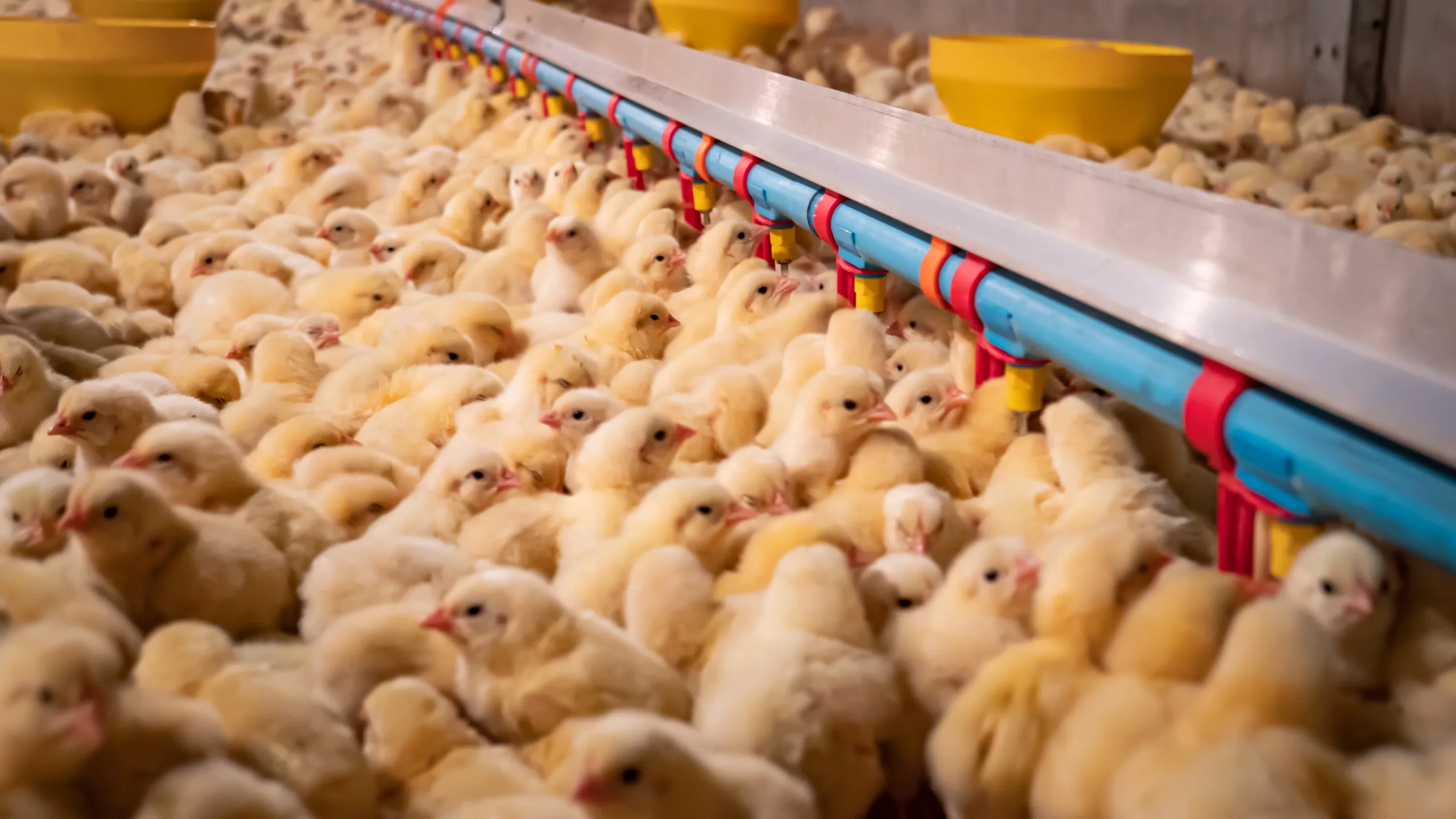
Farm B: Reduced labor costs by 20% and increased bird health metrics(Vietnam breeder project).
Conclusion
Cage-Free Water lines are not just a trend; they’re a necessity for modern poultry farming. If you’re still on the fence, it’s high time to make the switch and reap the benefits.